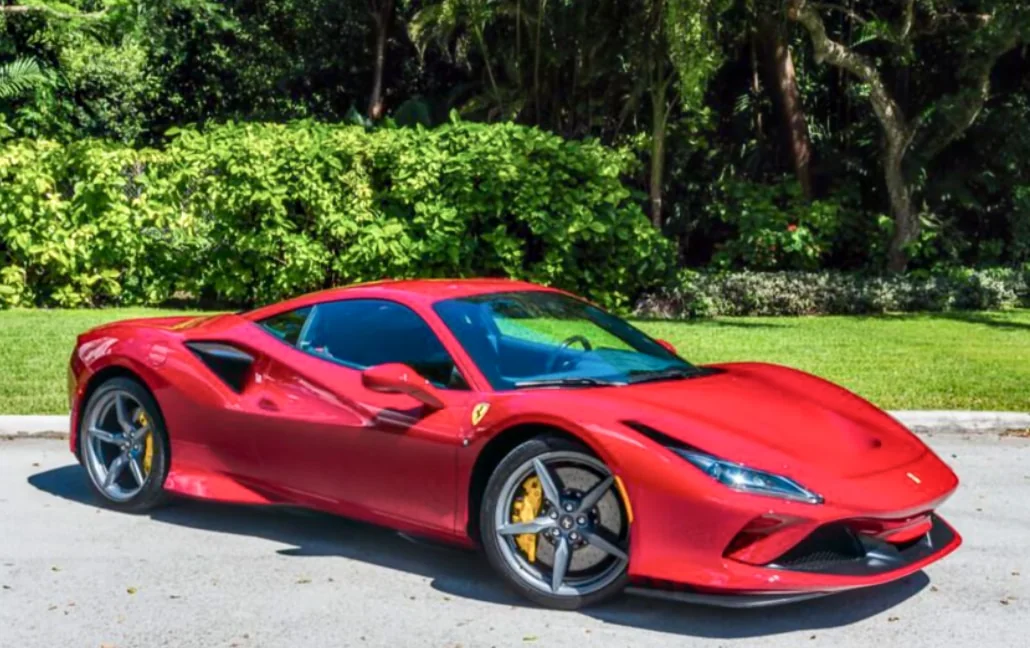
A car can be confirmed for a photoshoot and still miss the frame. If the vehicle arrives at the same time as the talent, the first part of the paid window may disappear into access checks, parking and moving equipment. Build the call sheet around when the car must be camera-ready, then work backward to the handover, access and setup.
This guide is for a producer who already has a concept and needs to turn it into a workable day. The Pugachev production page is where you can request a vehicle or discuss a broader production scope. The call sheet below is what to settle before you commit either way.
Give the car a job in every setup
Mark each setup as a parked exterior, a parked cabin shot, a controlled reposition or a moving shot. Those are different vehicle requests. A photographer may only need a three-quarter front view while the director expects a driving sequence later. Separate them before the vehicle is quoted.
Name the must-have frame in plain language: “front quarter in warm light, driver’s side visible, vertical crop, no people in the frame.” Then list doors, roof, lights, seating and background as decisions for that frame. If the interior color is the point of the shoot, request current reference images of the specific proposed car. Use the vehicle color confirmation guide for the visual sign-off, then record the approved alternative if the first car cannot be confirmed.
Put access on the call sheet
| Call-sheet line | What to confirm | Person who owns it |
|---|---|---|
| Vehicle arrival | Actual entrance, contact and enough room to position the car | Location lead and vehicle contact |
| First usable frame | Where the car should face and which crew must be ready | Photographer or director |
| Vehicle movement | Whether movement is approved, who may operate the car and where | Producer and vehicle provider |
| Reset and wrap | Time to reposition, remove equipment and release the car | Assistant director or producer |
| Backup setup | Static shot that still works if the planned movement or location is unavailable | Director and location lead |
Use a site diagram, even if it is just a marked photograph. Draw the vehicle route, where people wait and where equipment is placed. A narrow turn or loading area can look harmless in a location photo. Ask who can open access and whether you can check it before the shoot.
Verify the location before promising the shot
A private location approval, a vehicle agreement and permission to film are separate items. Send the exact address and what the team intends to do: crew size, lighting, equipment placement, requested street use and any special effects. The City of Miami Beach permit guidance distinguishes types of production and uses of public property. Confirm requirements with the relevant jurisdiction for your location; a Miami Beach answer does not settle a shoot elsewhere in Miami-Dade.
Describe any proposed mounts, adhesive, smoke, practical effects or moving work before the agreement. If a use is not explicitly cleared, keep that shot off the call sheet. Leave safe positioning, any traffic control and any vehicle operation to the people authorized for the production.
Work backward from the light window
Suppose you have one dusk exterior that the client must receive. Make that frame the center of the day. Confirm the location and approach first, decide where the car faces, then schedule cabin details and close-ups outside that narrow window. Have the camera team ready before the car is repositioned. If the backdrop stops working, use the approved static alternate instead of racing to a second address.
Treat the agreed release time as a real deadline. If the crew overruns, decide in advance which frames are optional. For a small brand shoot, a strong exterior and clean details may cover the delivery while a second background adds little. Record who can approve a schedule change and ask what the proposal says about an extension or return.
Send a brief someone can quote
- Give the location, permitted activity, date and alternate date.
- Separate the requested vehicle window from the talent and crew windows.
- Identify static and moving setups, the requested operator and any equipment attached near the car.
- Share the must-have frame, exact appearance preferences and acceptable alternatives.
- Ask for written scope, handover, release and change terms before booking.
A useful distinction before booking
Can a normal rental be used for a shoot?
Ask the provider to confirm the exact intended use in writing. A still parked car and a vehicle used in moving footage are different arrangements. A quote for the first does not establish approval for the second.
Do I need a second car on standby?
Only if the alternative solves a real delivery problem. Decide whether a different color or model would preserve the brief, then ask whether that option can be offered. An approved backup composition may be more useful than another unconfirmed car.