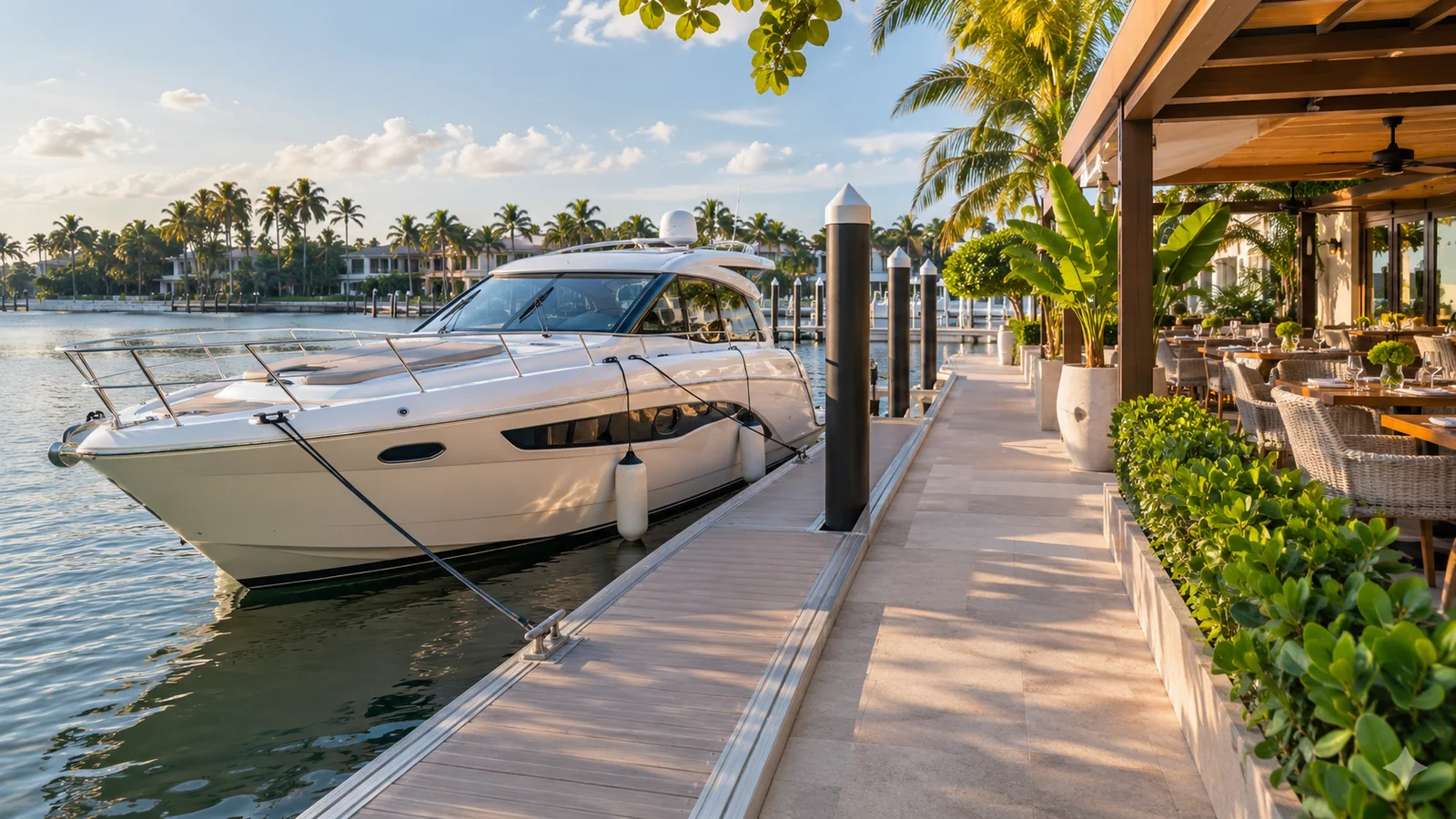
Tell the charter operator before you choose the boat or route that someone in your party is sensitive to motion. Ask where that guest can sit with a view outside while the yacht is under way and what changes the captain could consider if the day feels uncomfortable. The useful answer names a seat, route choice and contact on board. A broad promise of a smooth ride gives you little to plan around.
Describe the previous trip in practical terms
Ask the guest what made the last journey difficult and what helped. An excursion below deck during a crossing calls for different planning than a guest who gets uncomfortable even in an outside seat. Share only what the guest is comfortable sharing. For a booking, it is usually enough for the operator to know that a passenger wants a seated place with a clear view out and a flexible plan. Discuss any medical questions privately with a clinician or pharmacist before the trip.
Check seating while the boat is moving
The CDC Yellow Book chapter on motion sickness describes how a view of the horizon and avoiding visually demanding tasks such as reading can help some travelers. It also explains why locations with more motion, such as the bow on a ship, can be more difficult. Ask which seats the captain actually allows while moving. Check whether the suggested seat has a view of the horizon, how it can be reached, and whether it works for a guest who would also like shade. Finding this out before booking gives the group a concrete way to compare boats.
Compare three different itinerary decisions
| Decision | Ask the operator | Keep flexible |
|---|---|---|
| Route | Which parts are more exposed, and what is the alternative for our departure point? | A sightseeing objective that would require an exposed stretch |
| Seating | Where can the guest sit with a view outside while under way? | The photo seat, which may work only while stationary |
| Duration | If the group asks to shorten the trip, which options might the captain consider? | A restaurant or ground pickup immediately after return |
| Communication | Who should the guest tell early if they feel unwell? | Who in the group can help and keep the main contact informed |
The operator can discuss the proposed route and current conditions. The captain must make the call on the water. A broadly described bay route can still have wake, wind or a stretch the guest finds uncomfortable. Ask how the operator will explain the options on the day and what the written terms say if you want to change the plan.
Set the group’s expectations before leaving the berth
Agree that a shorter itinerary or a change of route would be acceptable if the captain recommends it. Let the guest know which crew member to tell early. Take photographs, read messages or study maps while stationary if the guest prefers looking outside during movement. Give the rest of the group a clear alternative for an activity that might be dropped. For example, keep the main celebration on board and the longer sightseeing leg optional. A fixed shore booking can make it harder for everyone to accept a shorter cruise when a passenger is struggling.
Keep shade, access and transport in the same plan
If the most useful seat requires stairs or has no shade, ask about a second option on the same level as boarding. Our yacht shade and seating guide helps you compare the usable areas. Our charter weather guide covers the separate decision about weather and booking terms. If a driver will collect the group, write down the meeting point and how to communicate an agreed timing change from the boat. Check the berth before choosing any shore venue.
Send one practical question with the charter request
“Where can our motion-sensitive guest sit with a view outside while moving, which stretch of our proposed route is most exposed, and who should we tell if we need to discuss shortening it?” Share the agreed route, seating and contact before boarding. Review current options on Pugachev’s yacht page and ask the operator to confirm the details for the actual boat and date.